
As running and cycling season ramps up, most people focus on one thing:
Getting more miles in.
But what you do off the road can have just as much impact on your performance—and your risk of injury.
Kettlebell HIIT (high-intensity interval training) is one of the most efficient ways to build strength, improve endurance, and support better movement for both runners and cyclists.
_____________________________________________________
Why Kettlebell Training Works So Well for Runners and Cyclists
Kettlebell training offers more than just strength—it builds the kind of movement capacity that endurance athletes often lack.
It improves:
- Total-body conditioning
- Power and endurance
- Balance and dynamic movement
- Coordination and control
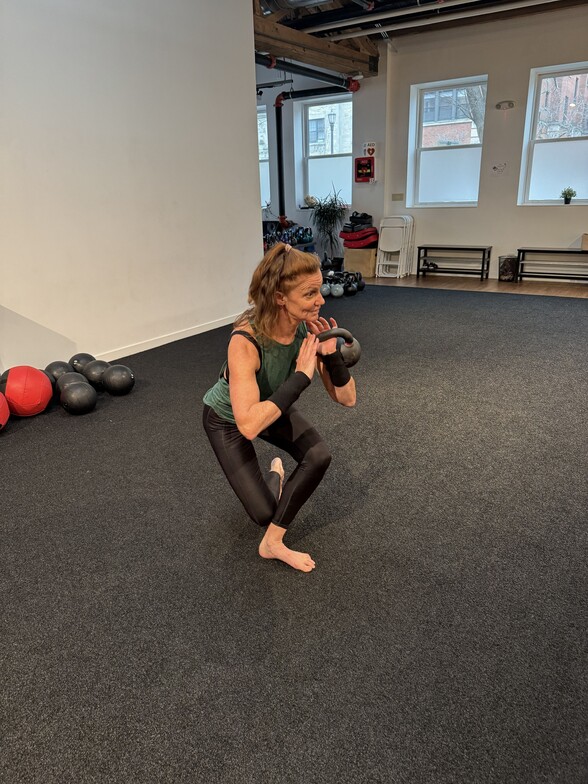
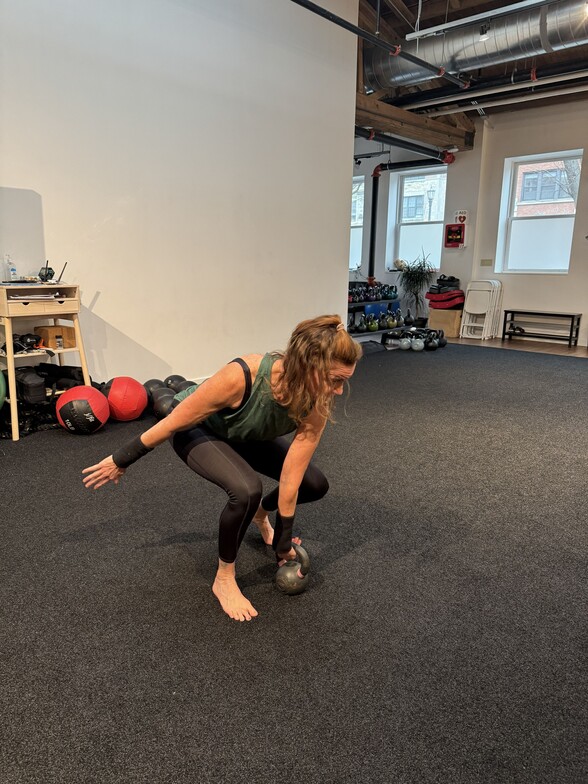
Unlike traditional weights, the shape of the kettlebell “asks” your body to move differently. It challenges your grip, coordination, and stability all at once—making each movement more functional and more transferable to real-life activity and sport.
This is what allows runners and cyclists to not just train harder—but move better.
Running and cycling are repetitive.
Kettlebell training introduces:
- Multi-directional movement
- Strength under load
- Dynamic, full-body coordination
This helps balance out the patterns your body gets stuck in.
If you’re new to this concept, our guide to what functional fitness is and how it works explains why training movement—not just muscles—is key.
_____________________________________________________
What Makes HIIT Different?
HIIT combines short bursts of effort with controlled recovery.
For runners and cyclists, this translates to:
- Better cardiovascular efficiency
- Improved power output
- Greater muscular endurance
And because kettlebells engage multiple muscle groups at once, you’re building strength and conditioning at the same time.
____________________________________________________
Key Benefits for Runners and Cyclists
1. Builds Power and Efficiency
Kettlebell movements like swings and cleans train explosive hip drive.
For runners:
- Stronger stride
- Better propulsion
For cyclists:
- More power through each pedal stroke
2. Improves Core Stability
Every kettlebell movement requires core engagement.
This helps:
- Stabilize the pelvis
- Improve posture
- Reduce energy leaks during movement
3. Reduces Injury Risk
Kettlebell training strengthens the muscles that often get neglected in endurance sports.
Combined with proper movement patterns, this helps address the imbalances we see in many runners and cyclists. We explore this more in our guide to injury prevention through functional fitness.
____________________________________________________
The Types of Kettlebell Training (And Why They Matter)
Not all kettlebell training looks the same—and that’s a good thing.
Different styles target different needs, and for runners and cyclists, a combination is often most effective.
1. Hard Style: Power and Explosiveness
This style focuses on:
- Strength
- Speed
- Explosive power
- Movements are driven by the hip hinge (“hingey”), like kettlebell swings.
Best for:
- Building power in your stride or pedal stroke
- Improving force production
2. Soft Style: Strength and Endurance
This approach is more controlled and often higher repetition.
It emphasizes:
- Strength under fatigue
- Muscular endurance
- Squat-based (“squatty”) patterns
Best for:
- Supporting longer efforts
- Building durability over time
3. Flow: Coordination and Control
Flow-based training links movements together into continuous sequences.
It develops:
- Full-body coordination
- Reactivity and responsiveness
- Movement efficiency
Best for:
- Improving how your body transitions between movements
- Enhancing overall athleticism
_____________________________________________________
Foundational Kettlebell Movements
You don’t need dozens of exercises—just a few done well.
Classic kettlebell movements include:
- Swings → build explosive hip power
- Cleans → develop coordination and control
- Snatches → combine power, stability, and endurance
These movements train multiple systems at once, and when integrated with foundational patterns such as lunges, squats, and step-ups, they become especially valuable for endurance athletes.
_____________________________________________________
Where This Fits Into Your Training Week
For most runners and cyclists:
- 2–3 sessions per week is enough
- Keep sessions on lower-mileage or recovery days
- Avoid stacking with your hardest workouts
This approach supports your training instead of competing with it.
Strength Training vs Functional Conditioning
Traditional strength training still has value—but kettlebell HIIT brings in movement, coordination, and endurance together. If you’re unsure how to balance these approaches, our breakdown of strength training vs functional fitness can help guide your programming.
Common Mistakes to Avoid
- Going too heavy too quickly
- Prioritizing speed over form
- Skipping mobility work
- Treating it like cardio instead of movement training
The goal is efficiency—not exhaustion.
When to Get Guidance
If you’re dealing with:
- Pain during or after workouts
- Recurring injuries
- Difficulty progressing
It may be worth getting a movement assessment.
Combining functional training with sports chiropractic care and injury rehabilitation can help ensure you’re building strength on a solid foundation.
The Bottom Line
Kettlebell HIIT is a powerful tool for runners and cyclists—but only when used with intention.
It helps you:
- Build strength that transfers to your sport
- Improve endurance and efficiency
- Reduce injury risk
Because better movement off the road leads to better performance on it.
____________________________________________________
About the Author
Liz is a certified fitness professional at Cornerstone Health in Evanston, specializing in foundational movement training, functional kettlebell work, and corrective exercise. She is passionate about helping people build strength that supports real life.

Liz W Durham
Contact Me


