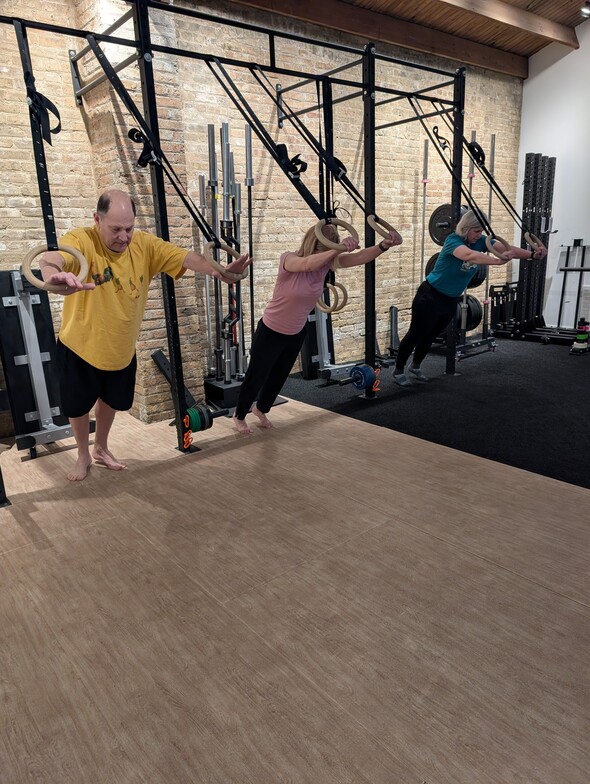
Functional fitness after 40 helps prevent injury, improve mobility, and build real-life strength. Learn how to stay active and pain-free as you age.
As we get older, fitness starts to mean something different.
It’s no longer just about how much you can lift or how fast you can run—it’s about how well your body supports your life. Can you carry groceries without pain? Stay active with your kids or grandkids? Move confidently without worrying about injury?
That’s where functional fitness becomes essential—especially after 40. If you’re new to the concept, our guide to what functional fitness is and how it works breaks down how training movement—not just muscles—supports everyday life.
What Changes After 40?
After 40, the body naturally begins to shift. Muscle mass gradually decreases, joint mobility can become limited, and recovery may take longer than it used to.
You might notice:
- Stiffness after sitting or sleeping
- Aches that linger longer than before
- Decreased balance or coordination
- More frequent or recurring injuries
These changes are normal—but they’re not inevitable.
With the right type of training—and the right support—you can maintain strength, improve mobility, and continue doing the activities you love for decades to come. For many people, that includes guidance through services like chiropractic care or rehabilitative therapy to keep the body moving well.
_________________________________________________________
Why Functional Fitness Matters More Than Ever
Functional fitness focuses on training movements—not just muscles. It prepares your body for real-life activities by improving how you move as a whole—something we explore further in our guide to functional fitness for real-life strength, movement, and longevity.
After 40, this approach becomes even more important.
1. It Helps Prevent Injury
Many injuries after 40 don’t come from major accidents—they come from everyday movements done with poor mechanics.
Functional training improves movement patterns, joint stability, and coordination, reducing unnecessary strain on the body. We explore this in more detail in our guide to injury prevention through functional fitness.
Functional training improves:
- Joint stability
- Movement patterns
- Muscle coordination
This reduces strain on the body and helps you move more safely and efficiently.
If you’re already dealing with pain or a past injury, combining functional training with sports chiropractic care and injury rehabilitation can help address the root cause while rebuilding strength.
_________________________________________________________
2. It Builds Strength That Actually Transfers to Daily Life
Instead of isolating one muscle at a time, functional exercises train multiple muscle groups together—just like real life demands.
Think:
- Squatting to pick something up
- Rotating to reach or carry
- Pushing, pulling, and lifting
This type of strength makes everyday tasks easier—and keeps you independent longer.
For those recovering from injury or trying to avoid setbacks, structured rehabilitation programs can help bridge the gap between basic recovery and full return to activity.
_________________________________________________________
3. It Improves Balance and Coordination
Falls become a bigger concern as we age, but they’re often preventable.
Functional fitness challenges your balance and coordination, helping your body react more effectively to changes in position or terrain.
That means more confidence in your movement—and less fear of injury.
_________________________________________________________
What Functional Fitness Looks Like After 40
The goal isn’t to train harder—it’s to train smarter.
Strength training is still an important part of staying active after 40—but how you train matters. Instead of focusing only on isolated muscle groups, functional training emphasizes movement patterns that translate to real life.
If you’re unsure how these approaches differ, our guide to strength training vs. functional fitness breaks down when and how to use each effectively.
A well-rounded functional fitness routine should include:
Strength Training
Focus on compound movements like:
- Squats
- Lunges
- Deadlifts
- Push and pull exercises
These build total-body strength and support joint health.
_________________________________________________________
Mobility Work
Maintaining flexibility and joint range of motion is key.
Incorporate:
- Dynamic stretching
- Controlled movement patterns
- Mobility drills for hips, shoulders, and spine
If mobility is already limited or painful, working with a provider who understands movement—like a chiropractor or rehab specialist—can help restore proper function safely.
_________________________________________________________
Core Stability
Your core supports nearly every movement you make.
Prioritize exercises that improve stability, not just appearance:
- Planks
- Anti-rotation movements
- Controlled, functional core work
_________________________________________________________
Balance Training
Simple exercises can make a big difference:
- Single-leg movements
- Stability challenges
- Controlled transitions
_________________________________________________________
Common Mistakes to Avoid
As important as it is to stay active, how you train matters.
Avoid:
- Jumping into high-intensity workouts without a foundation
- Ignoring pain or pushing through discomfort
- Skipping mobility and recovery work
- Focusing only on cardio without strength training
The goal is longevity—not burnout.
_________________________________________________________
How to Get Started Safely
If you’re new to functional fitness—or returning after a break—the best first step is to understand how your body moves today.
Working with a professional can help identify:
- Movement limitations
- Muscle imbalances
- Areas at higher risk for injury
At Cornerstone Clinics, this often starts with a movement-based assessment and may include chiropractic care, functional rehab, or sports injury rehabilitation, depending on your needs.
This approach helps create a plan that’s not only effective—but sustainable.
_________________________________________________________
The Bottom Line
Turning 40 doesn’t mean slowing down—it means getting smarter about how you move.
Functional fitness helps you build strength, maintain mobility, and stay active in the ways that matter most to you.
Because at the end of the day, fitness isn’t about the gym—it’s about living your life fully, confidently, and without limitations.
_________________________________________________________
About the Author
Liz is a certified fitness professional at Cornerstone Health in Evanston, specializing in foundational movement training, functional kettlebell work, and corrective exercise. She is passionate about helping people build strength that supports real life.

Liz W Durham
Contact Me