Plantar Fasciitis & Heel Pain Treatment in Evanston, IL
Move Through Your Day Without Every Step Hurting
Heel pain can turn simple activities into daily calculations: how far you need to walk, how long you can stand, whether you can exercise, or how painful those first few steps will be tomorrow morning.
At Cornerstone Health, we take a closer look at what is placing stress on your heel. Our Evanston chiropractic and rehabilitation team evaluates your foot, ankle, gait, mobility and strength before developing a personalized plan for plantar fasciitis, persistent heel pain or symptoms associated with a heel spur.
Book a free consultation now: Free Consult
What Is Plantar Fasciitis?
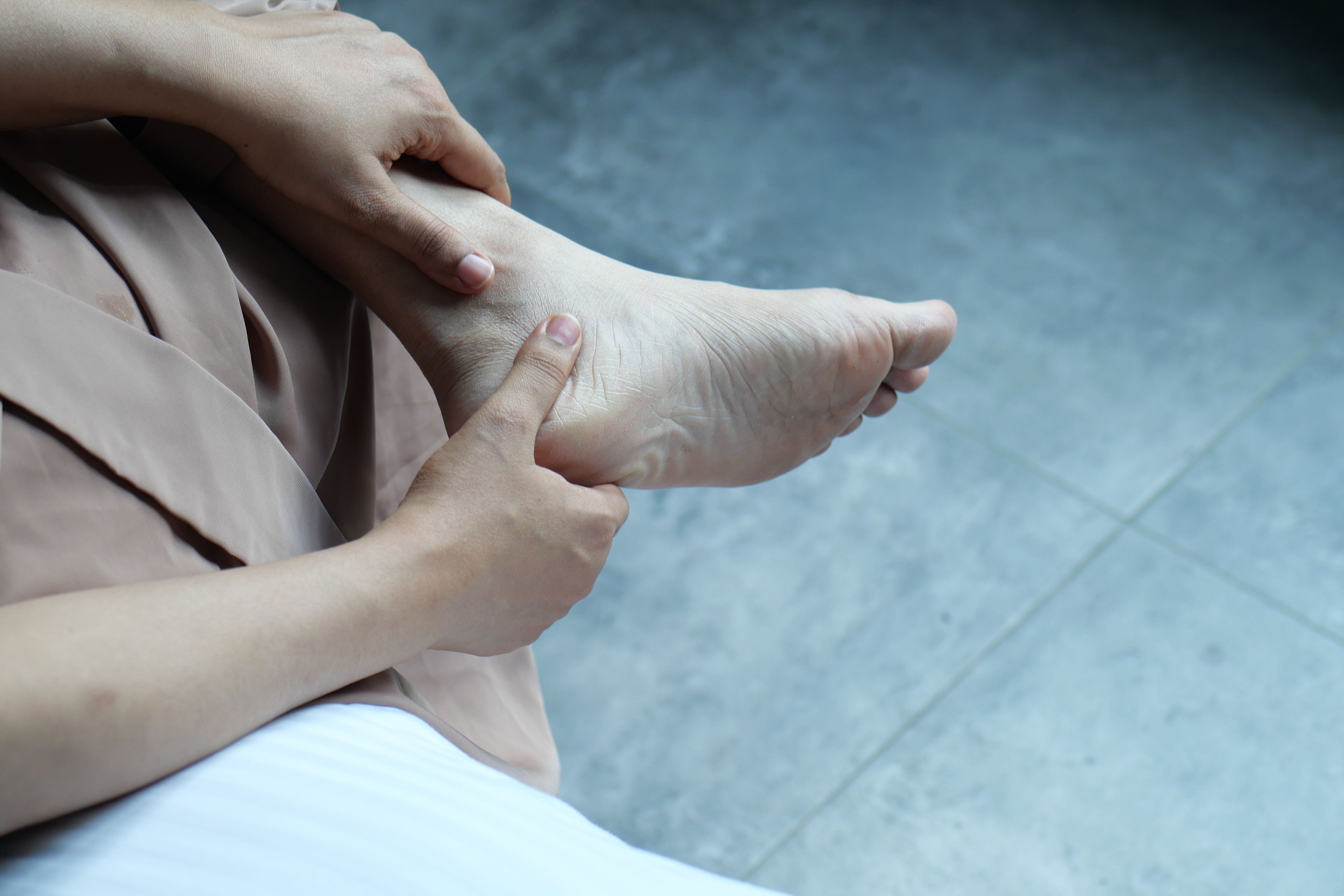
Plantar fasciitis is a common cause of pain beneath the heel. It develops when the plantar fascia—the strong band of tissue that supports the arch of the foot—becomes irritated or overloaded near its attachment to the heel bone.
The condition is often associated with sharp pain during the first steps after waking or standing up after sitting. Pain may ease as the foot warms up, then return after prolonged walking, running or standing.
Common symptoms include:
- Pain under or toward the inside of the heel
- Sharp “first-step” pain in the morning
- Heel pain after sitting or resting
- Pain that increases after prolonged standing or activity
- Tightness through the arch, ankle or calf
- Difficulty returning to running, sports or regular exercise
Heel pain can have several possible causes. A thorough assessment helps determine whether your symptoms are consistent with plantar fasciitis or whether another foot, ankle, nerve or bone-related issue should be considered.
Is Your Heel Pain Coming From a Heel Spur?
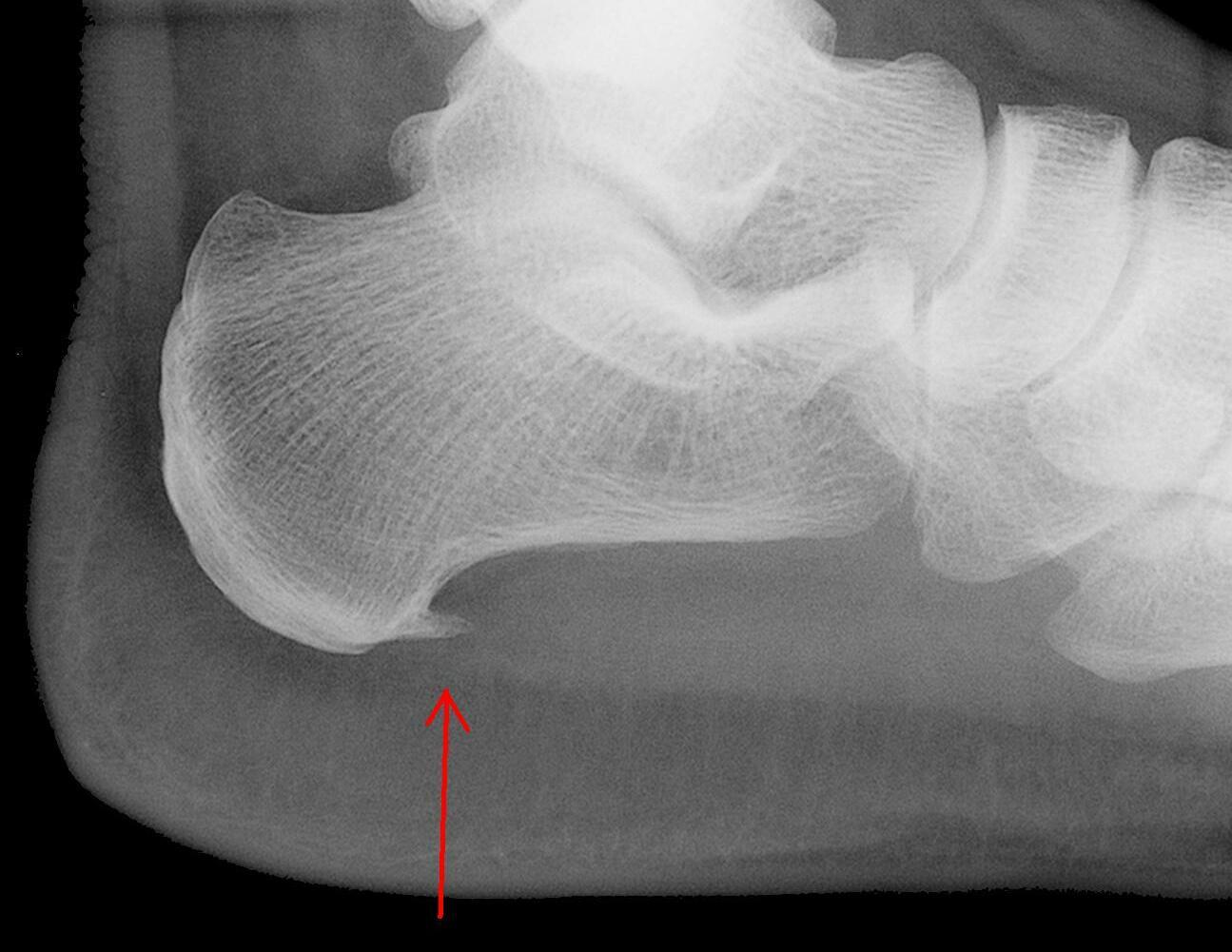
A heel spur, also called a calcaneal spur, is a bony growth that can develop where the plantar fascia connects to the heel bone. It can be seen on an X-ray, but its presence does not automatically mean it is causing your pain.
Heel spurs and plantar fasciitis frequently occur together. However, research suggests that the painful structure may be the surrounding plantar fascia or other soft tissue rather than the spur itself. For that reason, effective care often focuses on improving tissue capacity, mobility, strength and foot mechanics instead of simply treating an imaging finding.
Why Plantar Fasciitis Can Keep Coming Back
Rest may temporarily settle heel pain, but symptoms often return when the foot is exposed to the same demands without enough support or capacity.
Factors that may contribute to plantar fascia overload include:
- A sudden increase in walking, running or training
- Long periods of standing on hard surfaces
- Limited ankle or calf mobility
- Reduced foot or lower-leg strength
- Changes in footwear
- Running or walking mechanics
- Returning to activity too quickly
- A previous foot or ankle injury
- Changes in body weight or daily workload
There is rarely one universal cause. Your care plan should reflect how your symptoms began, what aggravates them and what your foot needs to tolerate each day.
A More Complete Assessment of Heel Pain
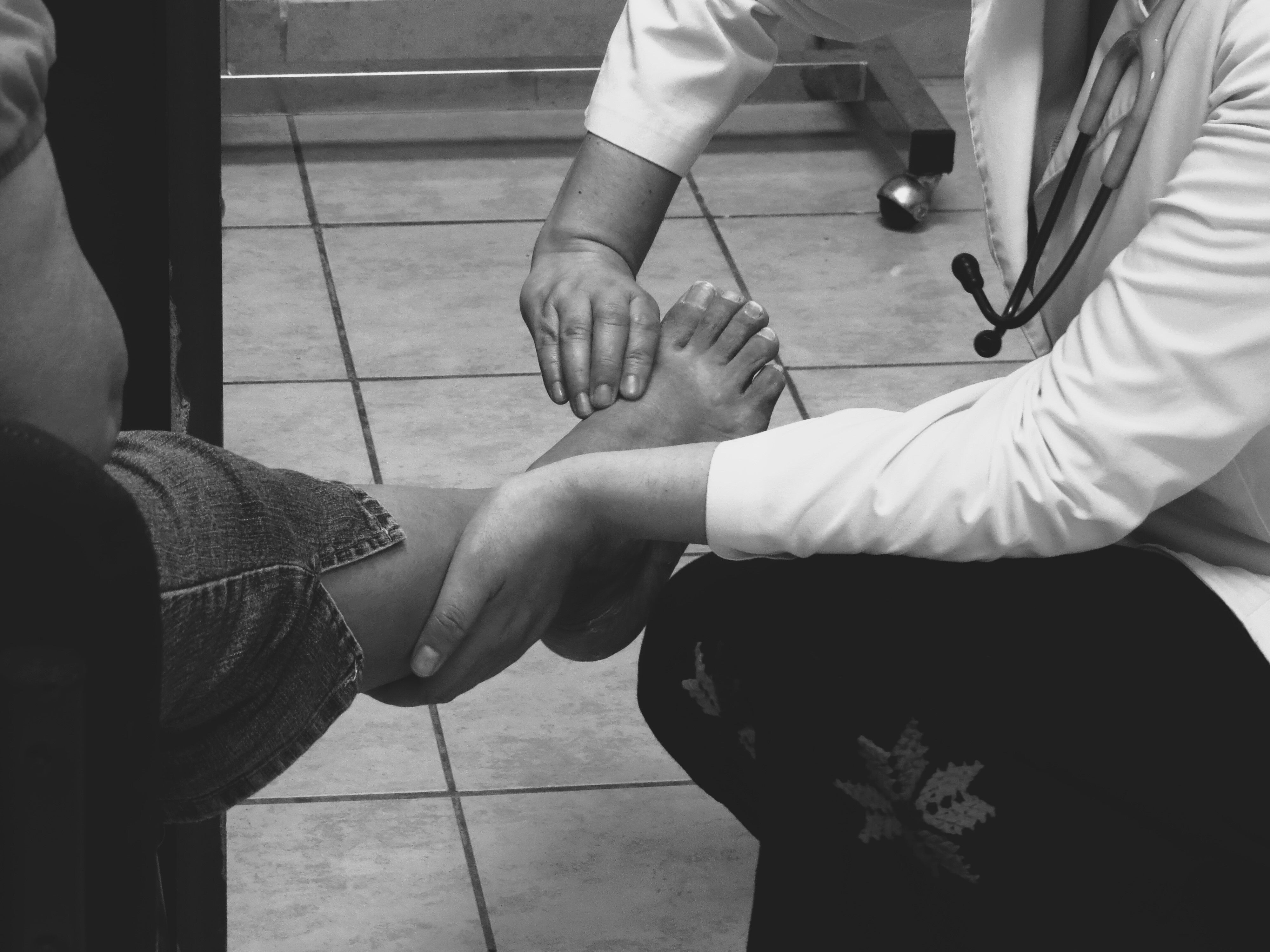
Your first visit begins with a detailed conversation and physical assessment. We want to understand when the pain started, how it behaves and what it is preventing you from doing.
Your assessment may include:
- Foot and ankle mobility testing
- Palpation of the heel and plantar fascia
- Calf and foot strength testing
- Walking or running gait analysis
- Balance and movement assessment
- Review of footwear and activity demands
- Screening for other possible causes of heel pain
When imaging or another clinical opinion may be appropriate, we can help you understand the next step.
Personalized Plantar Fasciitis Treatment
There is no single treatment that every person with plantar fasciitis needs. At Cornerstone Health, care is selected according to your symptoms, examination findings, activity level and recovery goals.
Targeted Rehabilitation
A progressive rehabilitation program can help the plantar fascia tolerate load more effectively.
Your program may include plantar fascia and calf stretching, foot and ankle strengthening, balance exercises and a gradual return to walking, running or sport. Exercise is adjusted to your current capacity rather than based on a generic protocol.
Manual and Soft-Tissue Therapy
Hands-on care may be used to address relevant restrictions in the foot, ankle and lower leg. The goal is to improve movement, reduce discomfort and make it easier to participate in active rehabilitation.
Focused and Radial Shockwave Therapy
Shockwave therapy delivers acoustic energy to a targeted area of tissue. It may be considered for persistent or chronic plantar fasciitis that has not responded adequately to an initial course of conservative care.
Cornerstone Health offers both focused and radial shockwave therapy. Your clinician will determine whether either approach is suitable after assessing your condition, health history and previous treatment.
Taping and Footwear Guidance
Temporary taping or footwear changes may help reduce stress on the plantar fascia while you rebuild mobility and strength. These strategies are generally most useful as part of a broader rehabilitation plan.
Custom Foot Orthotics
Orthotics may be appropriate when additional support or a change in pressure distribution would help your recovery.
They are not automatically required for plantar fasciitis. When recommended, Cornerstone Health can create hand-built custom foot orthotics based on your foot mechanics, footwear and activity needs.
Dry Needling or Acupuncture
Dry needling or acupuncture may be incorporated when clinically appropriate, particularly when tight or sensitive muscles in the foot and calf are contributing to discomfort. These treatments are used as part of a coordinated plan rather than as a replacement for progressive rehabilitation.
What Your Care Plan Is Designed to Help You Achieve
Treatment is built around meaningful improvements in daily life, not simply a temporary change in symptoms.
Depending on your starting point and goals, your plan may help you:
- Reduce morning and first-step heel pain
- Walk and stand more comfortably
- Improve foot, ankle and calf mobility
- Rebuild lower-leg and foot strength
- Increase tolerance for work and daily activity
- Return gradually to running, fitness or sport
- Understand how to manage future changes in symptoms
Recovery time varies. Recent heel pain may respond differently from symptoms that have been present for many months. We will explain what we find, what we recommend and how progress will be monitored.
Why Choose Cornerstone Health for Heel Pain Care?
Plantar fasciitis is not treated as an isolated sore spot at Cornerstone Health. We consider how your foot interacts with your ankle, lower leg and overall movement pattern.
Our Evanston team brings together gait and movement assessment, chiropractic care, sports injury rehabilitation, soft-tissue treatment, strength-based exercise, custom orthotics and focused or radial shockwave therapy.
You receive:
- A thorough initial assessment
- A plan based on your examination findings
- One-on-one guidance
- Access to an on-site rehabilitation gym
- Clear recommendations for activity and footwear
- Progressions designed around your goals
Cornerstone Health serves patients from Evanston, Wilmette, Skokie, Highland Park, Glenview, Rogers Park, Winnetka, Chicago and surrounding North Shore communities.
You Do Not Have to Stop Everything You Enjoy
Many people arrive worried that they will be told to stop walking, running or exercising indefinitely.
Complete rest is not always the answer. In many cases, the better approach is to temporarily adjust aggravating activities while maintaining safe movement and gradually increasing the foot’s capacity.
We will help you understand what you can continue doing, what may need to change and how to progress without repeatedly aggravating your heel.
Frequently Asked Questions
How do I know whether I have plantar fasciitis?
Plantar fasciitis often causes pain beneath the heel that is strongest during the first steps in the morning or after sitting. However, heel pain can also come from the heel fat pad, a nerve, the Achilles tendon, a stress injury or another condition. An assessment is the best way to identify the likely source.
What is the difference between plantar fasciitis and a heel spur?
Plantar fasciitis affects the band of tissue supporting the arch of the foot. A heel spur is a bony growth visible on imaging. They may occur together, but a heel spur does not always cause symptoms. Treatment is based on your clinical findings rather than the X-ray alone.
Can shockwave therapy help plantar fasciitis?
Research supports shockwave therapy as an option for some people with persistent or chronic plantar fasciitis, particularly when symptoms have not improved sufficiently with initial conservative treatment. It is not appropriate for every patient, so a clinical assessment is required first.
Will I need custom orthotics?
Not necessarily. Some patients benefit from additional support, while others improve with rehabilitation, footwear adjustments or temporary inserts. Orthotics should be recommended according to your individual foot mechanics and treatment goals.
Should I stop running or exercising?
You may need to reduce or temporarily modify activities that significantly increase your symptoms. That does not always mean stopping all exercise. Your clinician can help you maintain appropriate activity and plan a gradual return.
How long does plantar fasciitis take to improve?
Recovery depends on how long symptoms have been present, your daily activity demands, tissue sensitivity and how consistently the underlying contributors are addressed. Your clinician will provide a more useful expectation after examining your foot and tracking your early response to care.
Take the Next Step Toward More Comfortable Movement
You should not have to plan your day around heel pain.
Schedule an assessment at Cornerstone Health in Evanston to understand what is irritating your heel and receive a practical plan for moving forward.
Book a Plantar Fasciitis Exam: Book Exam
Call or text: 847-868-9609
Location: 1030 Davis Street, Suite 100, Evanston, IL 60201
What the Research Says
Clinical research supports an active, individualized approach to plantar fasciitis, with shockwave therapy considered for selected persistent cases.
Key Research Findings
1. Clinical guidelines support combined conservative care.
The 2023 clinical practice guideline for plantar heel pain recommends plantar fascia-specific and calf stretching, relevant manual therapy and taping. Foot orthoses may be used alongside other recommended treatments but are not advised as the only short-term intervention. This supports a multimodal plan based on the individual patient rather than reliance on one passive treatment.[1]
2. Shockwave therapy has direct evidence for chronic plantar fasciitis.
A randomized, placebo-controlled multicenter study included 245 patients with chronic, treatment-resistant plantar fasciitis. Participants received three radial shockwave treatments or placebo treatment. At 12 weeks, the shockwave group had a 72.1% reduction in the combined pain score, compared with 44.7% in the placebo group. Overall success rates were 61.0% and 42.2%, respectively. Benefits remained evident at 12 months. These findings apply most directly to persistent plantar fasciitis and do not mean that every patient requires or will respond to shockwave therapy.[2]
3. Progressive strengthening may accelerate early improvement.
A randomized trial of 48 patients compared shoe inserts plus plantar fascia stretching with shoe inserts plus progressive high-load strengthening. The strengthening group reported better foot function at three months, although the difference between groups was no longer significant at later follow-ups. This was a relatively small study, but it supports appropriately progressed strength work as part of rehabilitation.[3]
4. Plantar fascia-specific stretching has supportive long-term evidence.
In a prospective trial, 82 patients with chronic plantar fasciitis initially received either plantar fascia-specific stretching or Achilles stretching. Plantar fascia-specific stretching produced better results at eight weeks. At two years, 66 participants provided follow-up data after both groups had adopted the plantar fascia stretch; 94% reported reduced pain, although there was no longer a significant difference between the original groups. This supports stretching as a useful component of care, while the follow-up design prevents attributing all long-term improvement to stretching alone.[4]
5. Heel spurs are associated with heel pain but are not automatically the pain source.
A systematic review of medical imaging found that people with plantar heel pain were substantially more likely to have a plantar heel spur than people without pain. This is an association, not proof that the spur itself is responsible for symptoms. Imaging findings should therefore be interpreted alongside the patient’s history and clinical examination.[5]
References
- Koc TA Jr, Bise CG, Neville C, et al. Heel Pain—Plantar Fasciitis: Revision 2023. Journal of Orthopaedic & Sports Physical Therapy. 2023;53(12)–CPG39.
- Gerdesmeyer L, Frey C, Vester J, et al. Radial Extracorporeal Shock Wave Therapy Is Safe and Effective in the Treatment of Chronic Recalcitrant Plantar Fasciitis. American Journal of Sports Medicine. 2008;36(11):2100–2109.
- Rathleff MS, Mølgaard CM, Fredberg U, et al. High-Load Strength Training Improves Outcome in Patients With Plantar Fasciitis: A Randomized Controlled Trial With 12-Month Follow-Up. Scandinavian Journal of Medicine & Science in Sports. 2015;25(3)–e300.
- DiGiovanni BF, Nawoczenski DA, Lintal ME, et al. Plantar Fascia-Specific Stretching Exercise Improves Outcomes in Patients With Chronic Plantar Fasciitis. Journal of Bone and Joint Surgery. 2006;88(8):1775–1781.
- Drake C, Mallows A, Littlewood C. Medical Imaging for Plantar Heel Pain: A Systematic Review and Meta-Analysis. Journal of Foot and Ankle Research. 2022;15.
