Bunion & Big Toe Pain Treatment in Evanston, IL
Walk, Exercise and Wear Shoes With Greater Comfort
A bunion can make every step feel more complicated.
You may notice aching around the big toe, pressure inside your shoes, redness over the joint or increasing difficulty walking and exercising comfortably. Over time, you may also begin changing how you move to avoid placing pressure on the painful area.
At Cornerstone Health, we look beyond the visible bump. Our Evanston chiropractic and rehabilitation team evaluates your big toe joint, foot mobility, strength, gait, footwear and daily activity demands before recommending a personalized plan.
The goal of non-surgical bunion care is to reduce pain, improve function and help you move with greater confidence.
Book a Consultation: Fee Consult
What Is a Bunion?
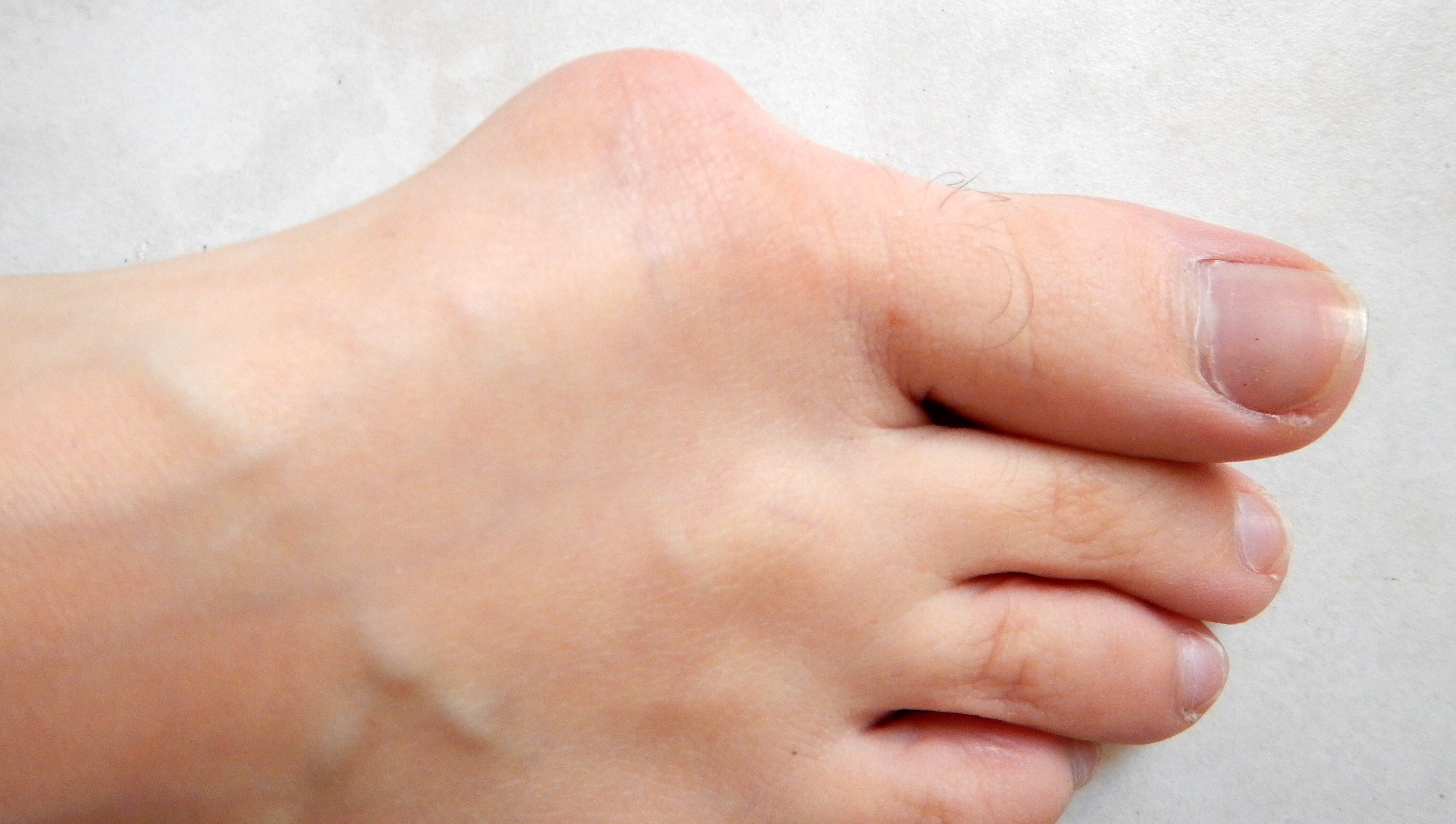
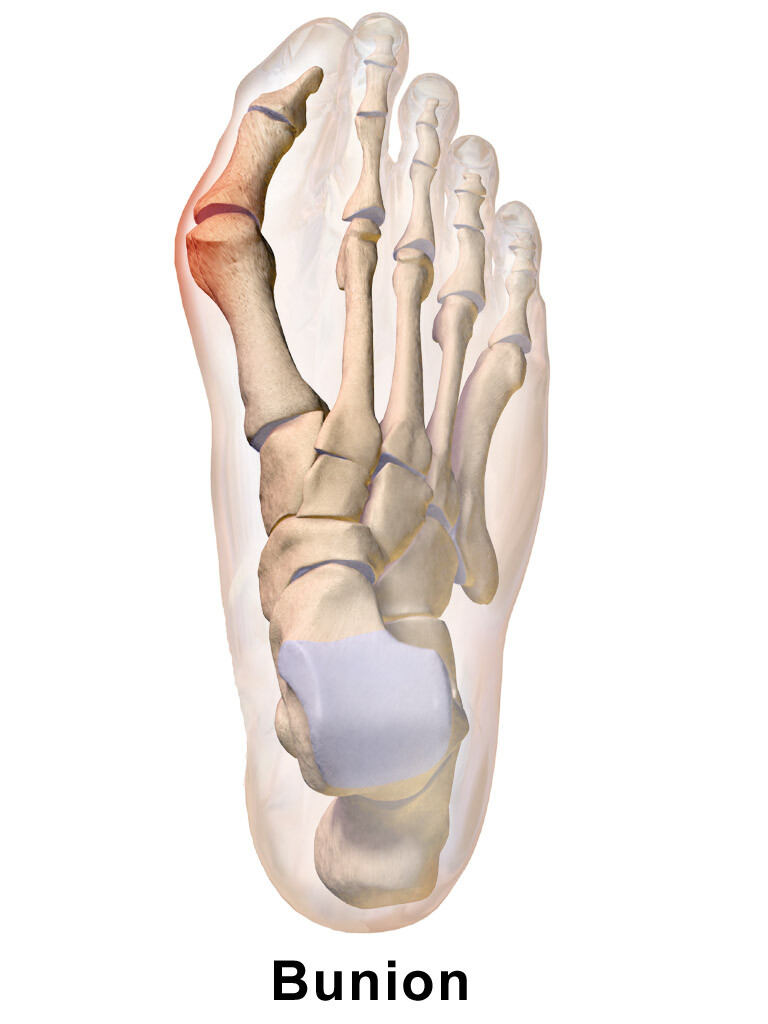
A bunion, medically known as hallux valgus, is a structural change involving the big toe joint. The big toe gradually angles toward the second toe while the first metatarsal shifts in the opposite direction, creating a prominent area along the inside of the foot.
A bunion is not simply an extra piece of bone or a surface-level bump. It involves changes in the alignment and mechanics of the first metatarsophalangeal joint, also called the first MTP joint.
Some bunions remain relatively comfortable. Others cause persistent pain, shoe irritation, reduced big toe movement and difficulty with walking or exercise.
Common symptoms include:
- Pain or aching around the base of the big toe
- Redness or irritation where the bunion rubs against a shoe
- Difficulty finding comfortable footwear
- Reduced motion or stiffness in the big toe
- Pain when walking, running or pushing off the foot
- Calluses beneath the forefoot or between the toes
- Pressure or discomfort beneath the second toe
- A gradual change in the shape of the forefoot
The size of a bunion does not always reflect how painful it will be. A smaller bunion can be highly sensitive, while a more visible deformity may cause relatively few symptoms.
Why Do Bunions Develop?
Bunions are usually influenced by several factors rather than one single cause.
Contributors may include:
- Inherited foot shape or joint structure
- Reduced stability around the first metatarsal
- Joint laxity or hypermobility
- Foot and ankle movement patterns
- Reduced big toe or ankle mobility
- Muscle weakness within the foot
- Arthritis or previous injury
- Repeated pressure from narrow or restrictive footwear
- Work, sport or daily activities that repeatedly load the forefoot
Shoes do not necessarily create every bunion. However, narrow shoes, pointed toe boxes and elevated heels can increase pressure over an existing bunion and make symptoms more noticeable.
Understanding what is aggravating your bunion is an important part of deciding what should change.
Is Every Painful Big Toe a Bunion?
No. Pain around the big toe can have several possible causes.
Other conditions can include:
- Big toe joint arthritis or hallux rigidus
- A sprain or “turf toe” injury
- Sesamoid irritation beneath the joint
- Tendon or muscle irritation
- Gout or another inflammatory condition
- Nerve irritation
- A stress injury
- Pressure from footwear
- Pain referred from another part of the foot
An assessment helps determine whether your symptoms are primarily related to hallux valgus or whether another condition may be contributing.
Sudden, intense pain with marked redness, heat or swelling should be medically assessed promptly, particularly when there has been no obvious injury.
A Detailed Assessment of Your Foot and Big Toe
Your first visit begins with a conversation about when your symptoms started, what makes them worse and how they affect your daily life.
At Cornerstone Health, the assessment may include:
- Big toe joint mobility testing
- Foot and ankle range-of-motion testing
- Strength testing for the foot and lower leg
- Palpation of the painful joint and surrounding tissues
- Walking or running gait analysis
- Balance and movement assessment
- Review of footwear and activity demands
- Assessment of pressure beneath the forefoot
- Screening for arthritis, nerve irritation or other causes of pain
Cornerstone Health’s existing foot and ankle approach includes gait analysis, joint palpation and examination of the muscles and fascia before a recovery plan is developed.
When an X-ray, medical evaluation or surgical opinion may be appropriate, your clinician can explain why and help you identify the next step.
Personalized Non-Surgical Bunion Treatment
There is no single device, exercise or treatment that every person with a bunion needs.
Your plan should reflect:
- Where you feel pain
- How much movement is available at the big toe
- Whether the bunion is flexible or more rigid
- How your foot moves when you walk
- Which shoes and activities aggravate your symptoms
- Your work, exercise and lifestyle goals
- Whether arthritis or another condition is present
Foot and Big Toe Rehabilitation
Targeted rehabilitation can help improve the strength and control of the muscles that support the big toe and arch.
Your program may include:
- Big toe mobility exercises
- Foot and toe strengthening
- Toe-spreading or toe-control exercises
- Calf and ankle mobility work
- Balance and stability exercises
- Strengthening of the lower leg and hip
- Gradual progression of walking or exercise
Research suggests that exercise-based programs may improve pain, strength and function for some people with mild or moderate hallux valgus. However, results vary and the overall evidence for non-surgical bunion care remains limited.
Manual Therapy and Joint Mobilization
Hands-on treatment may be used when restricted movement in the big toe, foot or ankle is contributing to discomfort.
Manual therapy does not remove a bunion. Its role is to improve available movement, reduce surrounding sensitivity and support your ability to complete active rehabilitation.
A randomized trial involving 56 women found that a three-month program combining foot mobilization, strengthening, stretching and a toe separator produced greater improvements than no intervention. Because several treatments were combined, the results do not show that mobilization alone was responsible for the improvement.
Footwear Recommendations
Choosing the right footwear is often one of the most practical ways to reduce pressure over a painful bunion.
Depending on your needs, we may recommend:
- A wider or anatomically shaped toe box
- Softer material around the big toe joint
- Adequate shoe depth
- A stable sole
- Reduced heel elevation
- A different fit for work, walking or exercise
The aim is not to force everyone into one type of shoe. It is to identify footwear that gives your toes enough space while still supporting the activities you need to perform.
Padding, Taping and Toe Spacers
Bunion pads, taping or toe spacers may help reduce rubbing and make certain shoes more comfortable.
These tools may also provide temporary positioning support when the big toe remains relatively flexible.
They should not be presented as a permanent correction. A spacer or splint may change the position of the toe while it is being worn, but it is unlikely to reverse a well-established structural bunion.
Your clinician can help you decide whether one of these options is appropriate and how to use it without irritating the skin or surrounding joints.
Custom Foot Orthotics
Custom foot orthotics may be recommended when your examination shows that changing pressure distribution or supporting the foot would make walking more comfortable.
Orthotics cannot remove the visible bunion. Their purpose may be to:
- Reduce pressure through sensitive areas
- Support the arch and first metatarsal
- Improve comfort during walking or standing
- Address contributing foot mechanics
- Make work or exercise more manageable
Research suggests that orthoses can provide short-term symptom relief for some people, but they generally do not correct the underlying structural deformity. In one randomized trial, orthoses improved pain at six months, although much of the benefit had reduced by the 12-month follow-up.
When clinically appropriate, Cornerstone Health can hand-build custom foot orthotics based on your individual mechanics, footwear and activity needs. Custom foot orthotics are among the modalities offered at the Evanston clinic.
Activity Modification
A painful bunion does not always mean you need to stop walking, exercising or playing sports.
You may temporarily need to adjust:
- Walking or running volume
- Exercises that repeatedly bend the big toe
- Lunges, planks or other positions that load the forefoot
- Footwear used during training
- Time spent standing on hard surfaces
The goal is to maintain as much safe activity as possible while reducing repeated irritation and improving the foot’s capacity.
Can Non-Surgical Treatment Correct a Bunion?
Non-surgical treatment can reduce pressure, improve movement and help manage pain, and improve alignment
Conservative care is generally intended to:
- Make walking and standing more comfortable
- Reduce shoe irritation
- Improve big toe and ankle mobility
- Strengthen the foot and lower leg
- Address contributing movement patterns
- Help you remain active
- Delay or potentially avoid surgery
Some people experience meaningful relief without surgery. Others continue to have difficulty because the joint has become more rigid, the deformity is progressing or pain remains severe.
Your clinician will be clear about what non-surgical treatment can reasonably achieve in your situation.
What Your Care Plan Is Designed to Help You Achieve
Depending on your symptoms and goals, treatment may help you:
- Walk with less big toe pain
- Wear everyday or athletic shoes more comfortably
- Reduce pressure and rubbing over the bunion
- Improve movement at the big toe and ankle
- Strengthen the foot and lower leg
- Improve balance and push-off during walking
- Return gradually to exercise or sport
- Understand how to manage future flare-ups
- Make an informed decision about whether specialist care is needed
Progress is measured against activities that matter to you, not simply the appearance of the foot.
When Should a Bunion Be Referred for a Surgical Opinion?
Surgery may be considered when bunion pain continues to interfere with walking, footwear or daily activity despite a reasonable course of conservative care.
A surgical opinion may be appropriate when:
- Pain is persistent or increasing
- The big toe joint is becoming increasingly stiff
- Walking and daily activities remain significantly limited
- Comfortable footwear is difficult to find
- The big toe is placing increasing pressure on the second toe
- Non-surgical management has not provided enough relief
- The diagnosis or severity needs further evaluation
Bunion surgery is performed to address pain and function, not simply because a bunion is visible.
A randomized trial of 209 patients found that surgery produced greater improvements in pain and several functional outcomes at 12 months than orthoses or no treatment. Surgery also involved recovery time and potential complications, so the decision should be based on symptom severity, goals and an informed discussion with a qualified foot and ankle surgeon.
Why Choose Cornerstone Health for Bunion Care?
A bunion affects more than the appearance of the big toe. It can change how you walk, how you distribute pressure through the foot and how confidently you participate in everyday activities.
Cornerstone Health takes an assessment-led approach that considers the entire movement system.
Your care may include:
- A detailed initial examination
- Big toe, foot and ankle mobility testing
- Specialized gait and movement analysis
- One-on-one rehabilitation
- Manual and soft-tissue therapy
- Footwear and activity guidance
- Custom foot orthotics when appropriate
- Clear referral recommendations when needed
Cornerstone Health offers private treatment, individualized rehabilitation exercises, soft-tissue treatment, joint mobilization and access to an on-site rehabilitation environment.
The Evanston clinic serves patients from Wilmette, Skokie, Highland Park, Glenview, Rogers Park, Winnetka, Chicago and surrounding North Shore communities.
You Deserve Clear Answers About Your Foot
You may be wondering:
- Is the bunion causing my pain?
- Am I making it worse by exercising?
- Do I need different shoes?
- Would orthotics help?
- Can exercises make a meaningful difference?
- Is it time to speak with a surgeon?
Your assessment is designed to answer these questions.
We will explain what we find, which treatment options are appropriate and what results are realistic. You will not be pressured into unnecessary services or promised that a structural bunion can be corrected without surgery.
Frequently Asked Questions
Can a bunion go away without surgery?
An established structural bunion generally does not disappear without surgery. Non-surgical treatment can still reduce pain, decrease pressure and improve your ability to walk, exercise and wear shoes comfortably.
Can exercises straighten a bunion?
Exercises may improve foot strength, toe control, mobility and function. Some studies have reported small changes in alignment among people with mild or moderate bunions, especially when exercise is combined with other treatments. However, exercises should not be expected to permanently straighten a significant structural deformity.
Do bunion correctors and toe spacers work?
Toe spacers, splints and bunion correctors may reduce pressure or temporarily improve toe position while they are worn. Evidence is limited, and these devices generally do not permanently reverse a well-established bunion. Comfort, skin tolerance and fit should be considered before using them regularly.
Will I need custom orthotics?
Not everyone with a bunion needs custom orthotics. They may be useful when your foot mechanics or pressure pattern contributes to pain. Orthotics can support comfort and function, but they do not remove the bunion or permanently straighten the toe.
Are narrow shoes the reason I developed a bunion?
Footwear can increase pressure over a bunion and aggravate symptoms, but bunions are usually influenced by several factors, including inherited foot structure, joint mechanics and tissue flexibility. Narrow or pointed shoes may make an existing problem more painful.
Take the Next Step Toward More Comfortable Walking
You do not have to wait until your bunion becomes unbearable before seeking help.
Schedule an assessment at Cornerstone Health in Evanston to understand what is causing your big toe pain and what practical steps may improve your comfort.
Book a Bunion Exam: Book Exam
Call or text: 847-868-9609
Location: 1030 Davis Street, Suite 100, Evanston, IL 60201
What the Research Says
Research supports a trial of individualized conservative care for symptomatic bunions, while also showing that non-surgical treatments are generally more effective for pain management than permanent structural correction.
Key Research Findings
1. The overall evidence for non-surgical bunion care remains limited.
A 2022 systematic review and meta-analysis evaluated 18 studies of non-surgical hallux valgus treatments. The studies investigated orthoses, splints, exercises, manual therapy, taping and other interventions. Eight studies reported significant pain reduction, but the researchers found small sample sizes, risk-of-bias concerns and low overall certainty. Pain relief appeared more likely than a meaningful change in the bunion angle.[1]
2. A combined rehabilitation program improved pain and function in one trial.
A randomized clinical trial included 56 women with moderate hallux valgus. The treatment group completed 36 sessions over three months involving foot joint mobilization, big toe strengthening, toe-grip exercises, ankle stretching and use of a toe separator. Compared with a waiting-list group, participants receiving the combined program reported greater improvements in pain, function, strength, ankle mobility and radiographic measurements at three months and one year. Because the treatment contained several components, the effectiveness of any one component cannot be isolated.[2]
3. Orthotics may provide temporary symptom relief but do not correct the deformity.
A randomized trial assigned 209 adults with painful mild-to-moderate hallux valgus to surgery, functional foot orthoses or watchful waiting. At six months, the orthosis group experienced greater pain improvement than the no-treatment group. By 12 months, most measured differences between orthoses and no treatment were no longer significant, although more people in the orthosis group described their foot as improved. The researchers noted that orthoses compensated for foot mechanics but did not correct the big toe deformity.[3]
4. Surgery can provide greater relief when symptoms remain disabling.
In the same randomized trial, surgery produced greater reductions in walking pain and better functional outcomes at 12 months than orthoses or watchful waiting. A 2024 Cochrane review concluded that surgery may produce a clinically important reduction in pain compared with non-surgical treatment or no treatment, although the evidence was rated as low certainty and surgical risks must be considered.[3,4]
5. The most appropriate treatment depends on the patient’s goal.
Non-surgical care is most appropriately framed as symptom and function management. It may reduce pain, improve footwear tolerance and support activity, but it should not be marketed as a guaranteed way to permanently reverse an established bunion. Surgical referral remains appropriate when pain and functional limitations continue despite conservative management.[1,3,4]
References
- Hurn SE, Matthews BG, Munteanu SE, Menz HB. Effectiveness of Nonsurgical Interventions for Hallux Valgus: A Systematic Review and Meta-Analysis. Arthritis Care & Research. 2022;74(10):1676–1688.
- Abdalbary SA. Foot Mobilization and Exercise Program Combined With Toe Separator Improves Outcomes in Women With Moderate Hallux Valgus at 1-Year Follow-up: A Randomized Clinical Trial. Journal of the American Podiatric Medical Association. 2018;108(6):478–486.
- Torkki M, Malmivaara A, Seitsalo S, et al. Surgery Versus Orthosis Versus Watchful Waiting for Hallux Valgus: A Randomized Controlled Trial. JAMA. 2001;285(19):2474–2480.
- Dias CGP, Godoy-Santos AL, Ferrari J, et al. Surgical Interventions for Treating Hallux Valgus and Bunions. Cochrane Database of Systematic Reviews. 2024;7.
