For many people, physical therapy is the beginning of recovery — not the end of the journey.
Pain improves. Movement becomes easier. Daily activities feel more manageable again. But there is often another phase that follows: returning to strength, confidence, resilience, and higher-level activity.
That transition is where many people feel stuck.
They may no longer need traditional rehab, but they also may not feel ready for intense workouts, high-volume training programs, or jumping back into previous fitness routines without guidance.
At Cornerstone Clinics, we believe there is an important space between rehabilitation and performance training. That space is where clinically informed fitness can help people continue progressing safely and effectively.
If you have already explored our approach to clinically informed fitness, this article expands on how that philosophy helps bridge the gap between recovery and long-term performance. You can also read our guide on functional fitness for real-life strength and movement to learn more about training that supports everyday movement and longevity.
Why Rehab Alone Is Sometimes Not Enough
Traditional physical therapy is incredibly valuable for reducing pain, restoring movement, and helping people recover from injuries or surgeries. But many people finish therapy still asking important questions:
- Can I safely return to strength training?
- How do I rebuild confidence in my body?
- What exercises should I actually be doing now?
- How do I avoid ending up back in pain again?
- How do I get stronger without overdoing it?
For active adults across Evanston and Chicago’s North Shore, these concerns are common. Many people want to stay active for the long term, but they also recognize that returning to exercise after injury requires a smarter approach than simply “pushing through.”
This is especially true for:
- runners returning after overuse injuries
- golfers working through mobility limitations
- adults rebuilding strength after surgery
- former athletes getting active again
- people navigating recurring back, hip, shoulder, or knee discomfort
- adults over 40 looking to train more sustainably
The goal is not simply to be pain-free. The goal is to feel capable again.
What “Performance” Really Means
When people hear the word performance, they often think of elite athletes or competitive sports.
But performance can mean something much broader.
Performance may mean:
- lifting weights confidently again
- hiking without limitations
- improving mobility and balance
- carrying kids or grandchildren comfortably
- running without recurring setbacks
- golfing with less stiffness
- building strength that supports daily life
- feeling athletic, energized, and resilient
At Cornerstone Clinics, performance is not only about intensity. It is about helping your body move well, tolerate stress appropriately, and adapt over time. Functional fitness helps develop those qualities by training the strength, mobility, stability, and movement patterns that support both everyday life and the activities you enjoy. For many adults, especially those balancing careers, families, and busy schedules, sustainable performance matters more than extreme performance.
The Missing Middle Ground Between Rehab and Fitness
One of the biggest challenges people face after physical therapy is finding the right next step.
On one side is traditional rehab.
On the other side are high-intensity fitness programs that may not account for:
- previous injuries
- mobility restrictions
- movement compensations
- recovery capacity
- joint limitations
- asymmetries or stability deficits
That leaves many people caught in the middle.
They may no longer need traditional rehabilitation, but they also may not feel ready to return to the gym, resume their previous workouts, or take on more demanding exercise without guidance. They know they need strength training and movement, but they are unsure how to progress safely.
This is where clinically informed fitness can provide a more effective transition.
Instead of jumping directly from rehab into aggressive training, clinically informed fitness focuses on:
- gradual progression
- movement quality
- mobility and stability
- total-body strength
- proper loading strategies
- conditioning that matches the individual
At Cornerstone Clinics, clinically informed functional fitness helps provide that bridge—building on the progress made during rehabilitation while preparing the body for the greater demands of exercise, recreation, sport, and everyday life.
The result is a more sustainable path forward.
How Clinically Informed Fitness Bridges the Gap
Clinically informed fitness combines performance training principles with a deeper understanding of how the body moves and adapts.
Rather than using a one-size-fits-all approach, training is guided by:
- injury history
- movement assessments
- mobility restrictions
- strength imbalances
- recovery needs
- individual goals and activity demands
Functional fitness becomes an important part of this transition. Instead of training muscles or movements in isolation, functional fitness develops strength, mobility, stability, coordination, and conditioning in ways that carry over to everyday life and recreational activities.
Movements such as squatting, hinging, pushing, pulling, carrying, and rotating can be progressively developed based on each person's starting point. As strength and movement capacity improve, these same foundational patterns can become more challenging and athletic.
Kettlebells are particularly useful within this type of training because of their versatility. A single kettlebell can be used to develop strength, mobility, stability, coordination, and conditioning. Exercises can progress from foundational movements such as deadlifts, squats, presses, and carries to more dynamic movements such as swings, cleans, and other athletic patterns.
The goal is not simply to perform more difficult exercises. It is to progressively build the capacity to move well, handle greater demands, and feel confident doing more.For some people, that may begin with rebuilding foundational strength and stability after physical therapy. For others, it may mean progressing toward:
- improved athleticism
- rotational power
- endurance
- balance and coordination
- higher-level strength training
- return-to-sport activities
The focus is not simply exercise for exercise’s sake. The focus is helping people move better, feel stronger, and build long-term resilience. This progression is what helps turn recovery into performance.
Training for Longevity, Not Just Short-Term Results
Many fitness programs focus only on short-term outcomes:
- faster results
- harder workouts
- higher intensity
- pushing limits
But long-term health and performance require something different.
Sustainable training should help people:
- maintain mobility
- preserve strength as they age
- improve recovery capacity
- move efficiently
- build durability
- stay active for years to come
That is why clinically informed fitness emphasizes movement quality, intelligent progression, and consistency over extremes.
For many adults, success is not defined by a single workout or short-term challenge. Success is being able to continue doing the activities they enjoy with confidence and fewer limitations.
Who Benefits from a PT-to-Performance Approach?
This type of training can benefit many people, including:
- adults returning to exercise after physical therapy
- runners and endurance athletes
- golfers looking to improve mobility and rotational strength
- former athletes rebuilding consistency
- active adults over 40people recovering from recurring injuries
- individuals looking for smarter, more sustainable strength training
Many people throughout Evanston and Chicago’s North Shore are searching for a way to stay active without feeling overwhelmed by traditional gym environments or generic workout programs.A clinically informed approach can help provide that balance.
Moving Beyond Recovery
Recovery is important. But for many people, recovery is only the first step.
The next phase is learning how to build strength, resilience, and confidence in a way that supports long-term movement and performance.
At Cornerstone Clinics, we believe fitness should help people move through life more effectively — not just exercise harder.
Whether your goal is returning to workouts, improving mobility, staying active as you age, or building real-world strength, the transition from PT to performance should be thoughtful, progressive, and sustainable.
Because long-term performance is not just about avoiding injury.It is about building a body that is prepared for life.
__________________________
About the Author
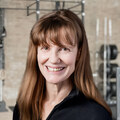
Liz is a certified fitness professional at Cornerstone Health in Evanston, specializing in foundational movement training, functional kettlebell work, and corrective exercise. She is passionate about helping people build strength that supports real life.
Liz W Durham
Contact Me